
Understanding Masonry Work Costs in Texas: What to Expect


When considering masonry work in Texas, understanding the associated costs is crucial for budgeting and planning. Whether you're constructing a new building or undertaking a renovation, knowing what to expect can help you make informed decisions.

Factors Affecting Masonry Costs
The cost of masonry work can vary widely based on several factors. The type of materials used, the complexity of the project, and the location all play significant roles in determining the final price. In Texas, where the climate and local building styles influence design choices, these factors can be particularly impactful.
Materials are often the largest expense in masonry work. Common materials include brick, stone, and concrete blocks, each with its own price range. For instance, natural stone tends to be more expensive than brick or concrete, but it offers a unique aesthetic that many homeowners find appealing.
Types of Masonry Projects
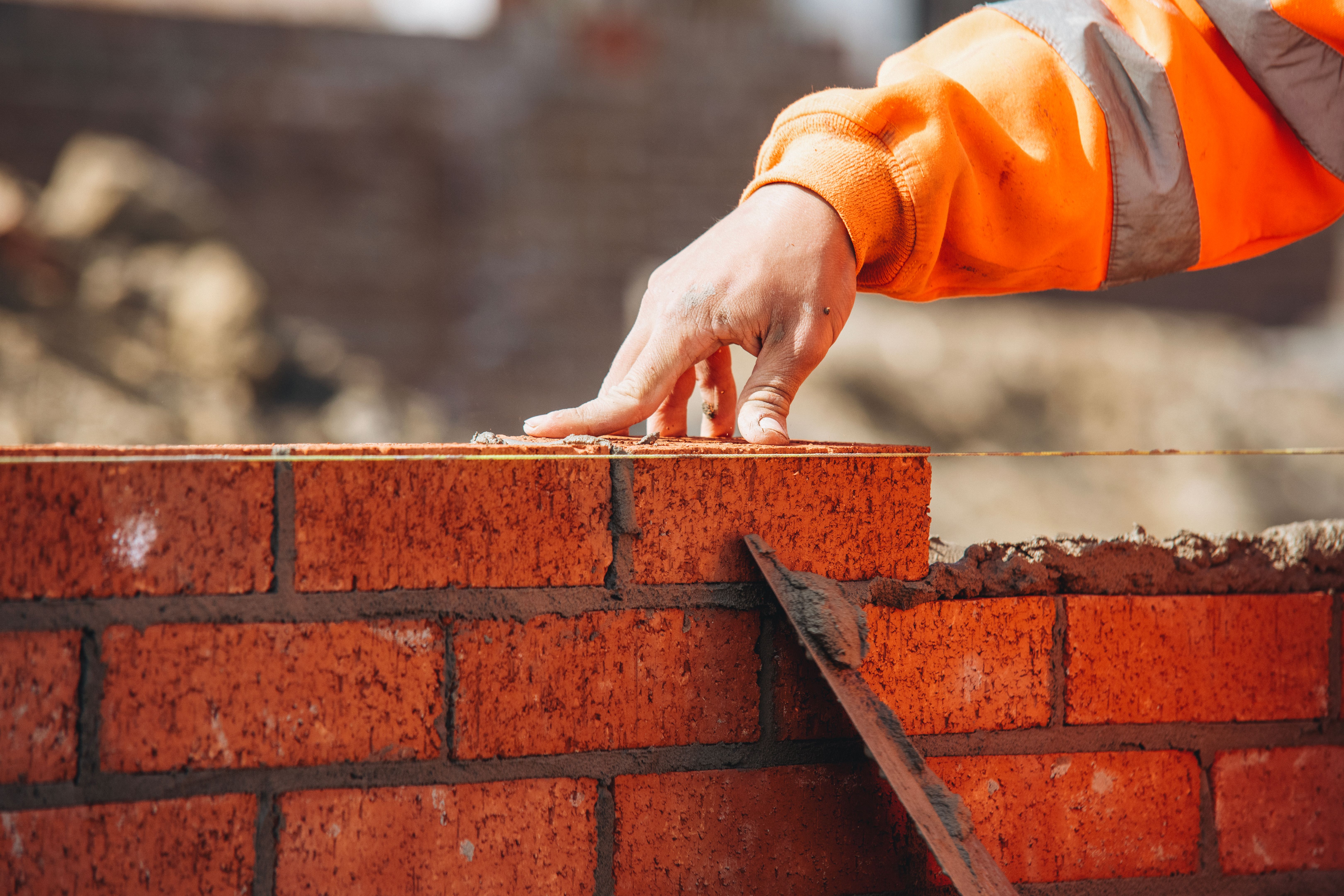
Masonry projects can range from simple repairs to complex architectural designs. Here are some common types of masonry work:
- Bricklaying: Common for both residential and commercial buildings.
- Stone Veneer: Often used for decorative facades.
- Concrete Block Construction: Popular for structural walls and foundations.
Each project type comes with its own set of considerations, affecting both cost and execution time.
Labor Costs
Labor is another significant component of masonry costs. Skilled masons are essential for quality work, and their expertise commands a premium. In Texas, labor rates can vary by region, with urban areas typically seeing higher costs due to increased demand and cost of living.
When hiring a mason, it's important to ensure that they are experienced and have a solid reputation. This not only affects the quality of the work but can also impact the overall project timeline and budget.
Additional Costs and Considerations
Beyond materials and labor, other costs can include permits, scaffolding, and equipment rental. Permits are often required for larger projects, and these can add to the timeline and expense. Additionally, unexpected challenges such as weather delays or structural issues can lead to increased costs.
It's advisable to set aside a contingency budget to cover unforeseen expenses. This can provide peace of mind and prevent financial strain.
Getting Accurate Estimates
To get a clear picture of what your masonry project will cost, obtaining multiple quotes from reputable contractors is recommended. This not only helps in comparing prices but also provides insights into different design possibilities and material choices.
Make sure to discuss all aspects of the project with potential contractors, including timelines, materials, and any specific challenges related to your location or property.
Conclusion
Understanding masonry work costs in Texas involves considering a variety of factors, from materials and labor to additional expenses like permits. By thoroughly researching and planning, you can ensure your project stays on budget and meets your expectations. Armed with this knowledge, you're better prepared to embark on your masonry project with confidence.