Sustainable Building Practices: Transforming Texas Construction


Introduction to Sustainable Building Practices
In recent years, the construction industry in Texas has seen a significant shift towards more sustainable building practices. As the demand for eco-friendly and energy-efficient buildings grows, developers and architects are increasingly focusing on minimizing environmental impact while maximizing resource efficiency.
Implementing sustainable building practices not only contributes to environmental conservation but also offers long-term economic benefits. These practices are transforming the construction landscape in Texas, paving the way for a greener future.
Innovative Materials and Technologies
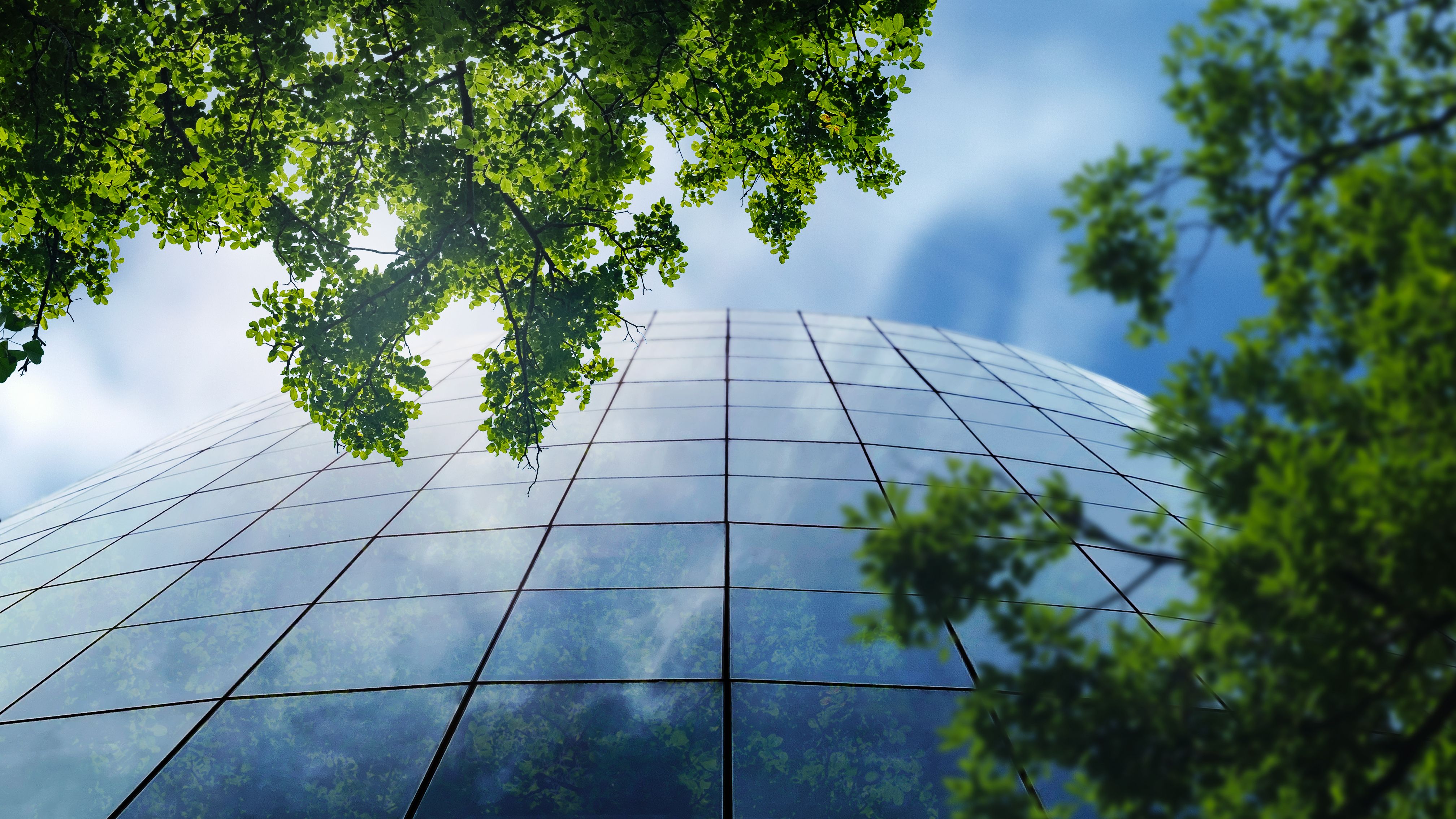
A critical component of sustainable construction is the use of innovative materials and technologies. Builders in Texas are increasingly employing materials such as recycled steel, bamboo, and reclaimed wood, which reduce the carbon footprint and promote efficient resource use.
Advanced technologies like smart building systems and energy-efficient HVAC systems are also being integrated into new constructions. These technologies help monitor and optimize energy usage, leading to reduced operational costs and improved indoor air quality.
Energy-Efficient Design
Energy-efficient design is at the heart of sustainable building practices. By incorporating elements such as natural lighting, solar panels, and green roofs, buildings can significantly reduce their reliance on non-renewable energy sources.
These designs not only lower energy costs but also improve the overall comfort and well-being of occupants. In Texas, where temperatures can be extreme, such features are particularly valuable.

Water Conservation Techniques
Water conservation is another vital aspect of sustainable building practices. With Texas often experiencing drought conditions, efficient water management is crucial. Builders are implementing rainwater harvesting systems, low-flow fixtures, and xeriscaping to reduce water consumption.
These methods not only conserve water but also lower utility bills, making them a financially sound choice for both residential and commercial properties.
Waste Reduction and Recycling
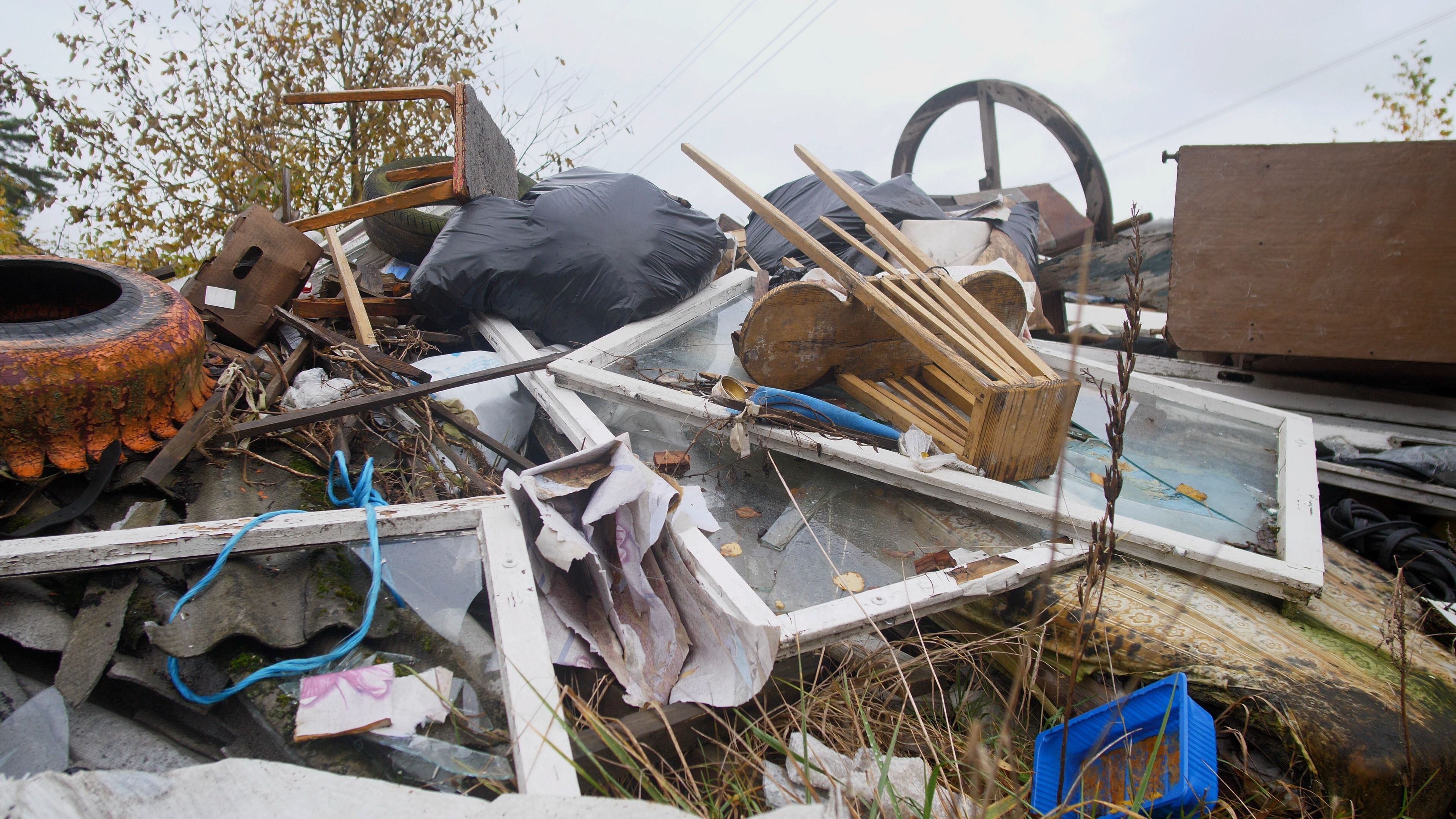
Minimizing waste during construction is essential for sustainability. Texas builders are increasingly adopting practices such as prefabrication and modular construction, which reduce waste and promote recycling.
By carefully planning and managing resources, construction projects can significantly decrease the amount of waste sent to landfills, contributing to a more sustainable environment.
Economic and Social Benefits
Sustainable building practices are not only environmentally friendly but also economically advantageous. Energy savings, reduced water usage, and lower maintenance costs contribute to long-term financial benefits for property owners.
Moreover, these practices foster healthier living and working environments, enhancing the quality of life for occupants. As more Texans become aware of these benefits, the demand for sustainable buildings continues to rise.
The Future of Sustainable Construction in Texas
As awareness and demand for sustainable building practices grow, the future of construction in Texas looks promising. Government incentives and policies supporting green building initiatives are further encouraging developers to adopt these practices.
By embracing sustainability, Texas is not only addressing current environmental challenges but also setting a precedent for future generations. The continued transformation of the construction industry is a testament to the state's commitment to a sustainable future.