
Sustainable Building Practices: Innovations in the Texas Market


Understanding Sustainable Building Practices
As the demand for eco-friendly solutions grows, sustainable building practices have gained significant traction in the Texas market. These practices not only aim to reduce the environmental impact of construction but also enhance energy efficiency and promote healthier living environments. Builders and developers across Texas are increasingly adopting innovative strategies to meet these goals.
Energy Efficiency Innovations
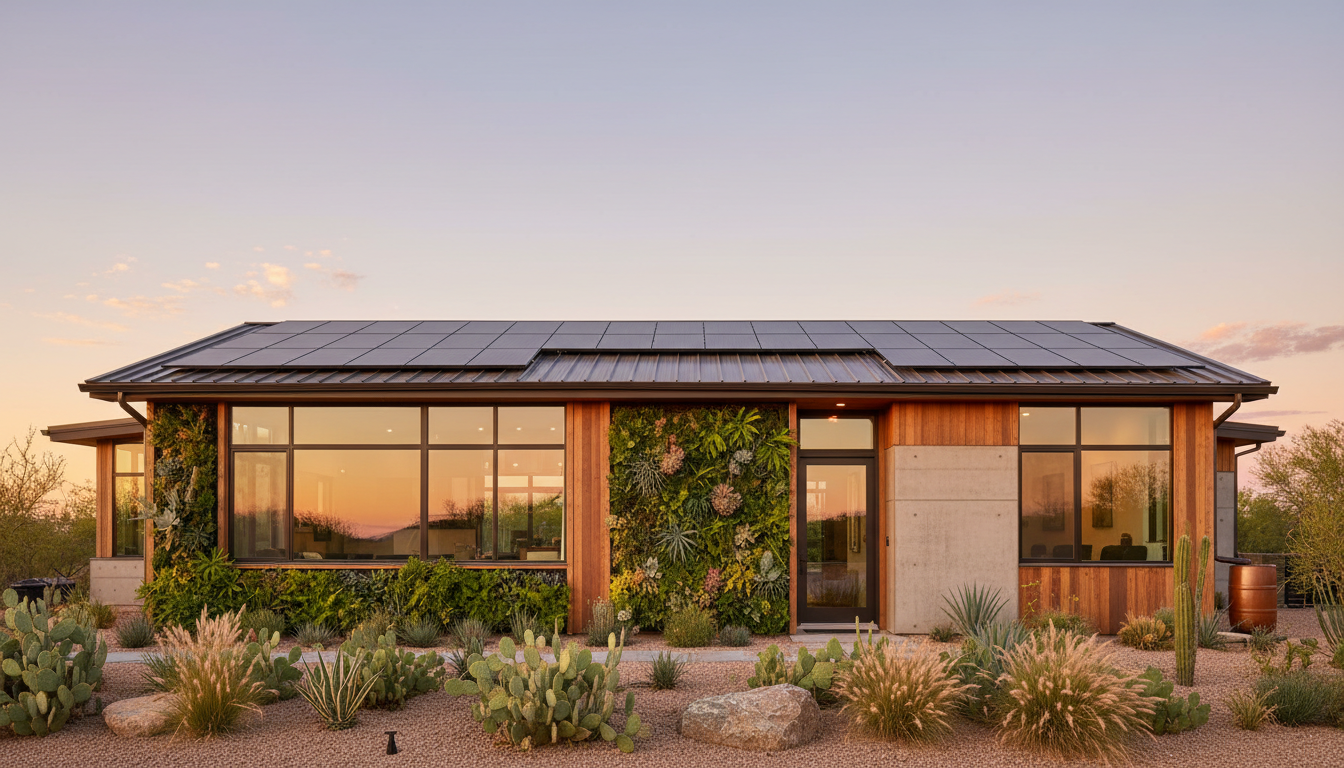
One of the primary focuses of sustainable building in Texas is energy efficiency. Innovations such as solar panel installations, energy-efficient windows, and advanced insulation materials are becoming standard in new constructions. These technologies help reduce energy consumption, lower utility bills, and decrease the carbon footprint of buildings.
Moreover, the integration of smart home technologies allows residents to monitor and control energy use in real-time. Automated systems for lighting, heating, and cooling ensure that energy is used only when necessary, further contributing to sustainable living.
Water Conservation Techniques
Water scarcity is a significant concern in Texas, making water conservation a critical aspect of sustainable building. Innovative practices such as rainwater harvesting, greywater recycling, and low-flow fixtures are being implemented to reduce water usage. These technologies not only conserve resources but also offer cost savings for homeowners.

Developers are also designing landscapes that utilize native plants, which require less water and maintenance. This approach complements the overall sustainability goals by promoting biodiversity and reducing the need for chemical fertilizers and pesticides.
Use of Sustainable Materials
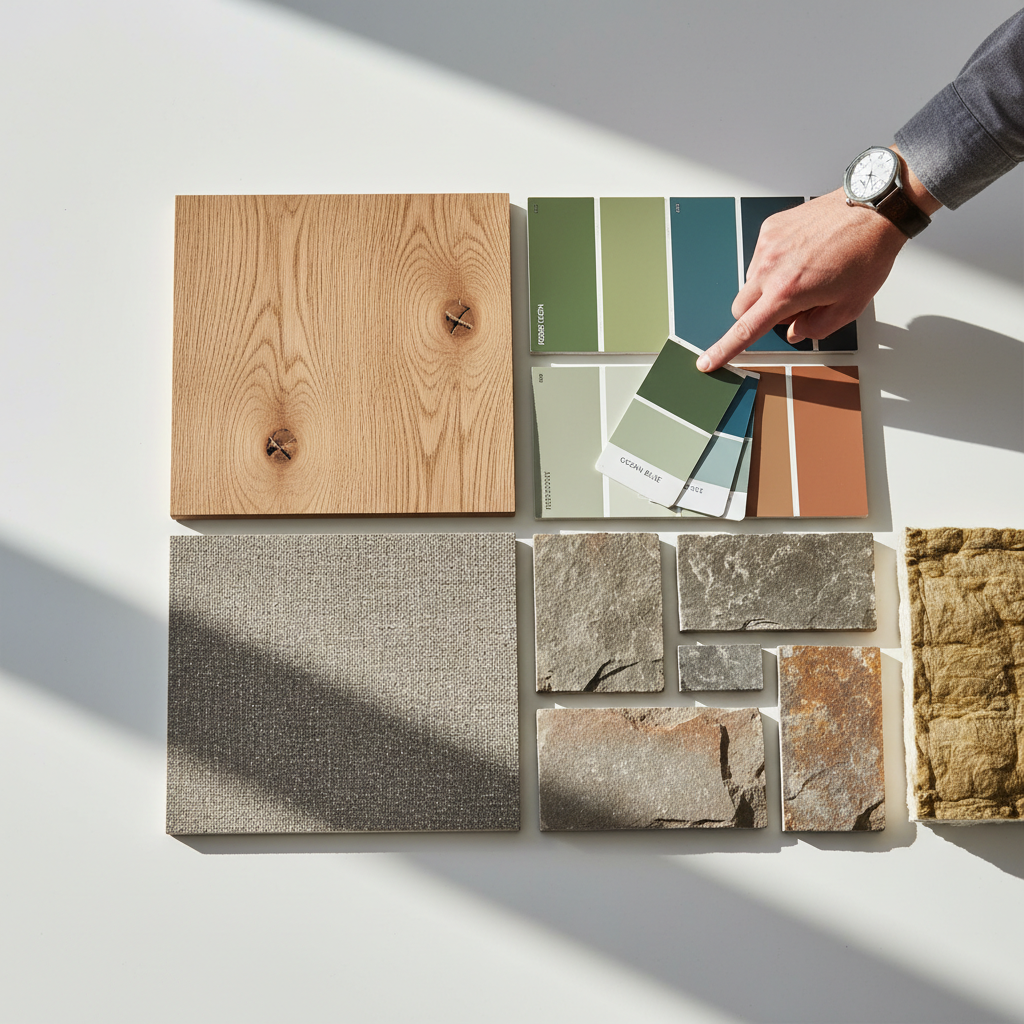
The choice of building materials plays a crucial role in sustainability. In Texas, there is a growing trend towards using materials that are recycled, locally sourced, or have a low environmental impact. Options such as reclaimed wood, recycled metal, and sustainable concrete are gaining popularity among builders.
These materials not only reduce waste but also create healthier indoor environments by minimizing the release of harmful chemicals. The emphasis on sustainable materials reflects a broader commitment to reducing the overall environmental footprint of construction projects.
Green Certifications and Incentives
Achieving green certifications such as LEED or Energy Star is becoming a priority for many Texas builders. These certifications provide a framework for implementing sustainable practices and offer a competitive edge in the market. Additionally, local governments and utility companies often provide incentives for green building projects, making sustainability a financially attractive option.
These incentives might include tax breaks, grants, or rebates, which can offset the initial costs of sustainable technologies and materials. As a result, more developers are motivated to adopt green building practices.
The Future of Sustainable Building in Texas
The momentum for sustainable building in Texas shows no signs of slowing down. As technology advances and awareness of environmental issues grows, the market is poised for continued innovation. Collaboration between builders, policymakers, and consumers will be key to driving further progress in this field.
Ultimately, sustainable building practices not only contribute to environmental preservation but also enhance the quality of life for residents. By embracing these innovations, Texas is setting a standard for responsible development and paving the way for a greener future.