
Eco-Friendly Building Materials for New Constructions in Texas: A Comprehensive Overview


Introduction to Eco-Friendly Building Materials
As the demand for sustainable living increases, the construction industry in Texas is shifting towards eco-friendly building materials. These materials not only reduce environmental impact but also offer long-term cost savings and health benefits. Embracing these solutions can significantly contribute to a greener future.
In this comprehensive overview, we'll explore various eco-friendly building materials suitable for new constructions in Texas. From recycled materials to innovative alternatives, these options provide both sustainability and functionality.
Recycled and Reclaimed Materials
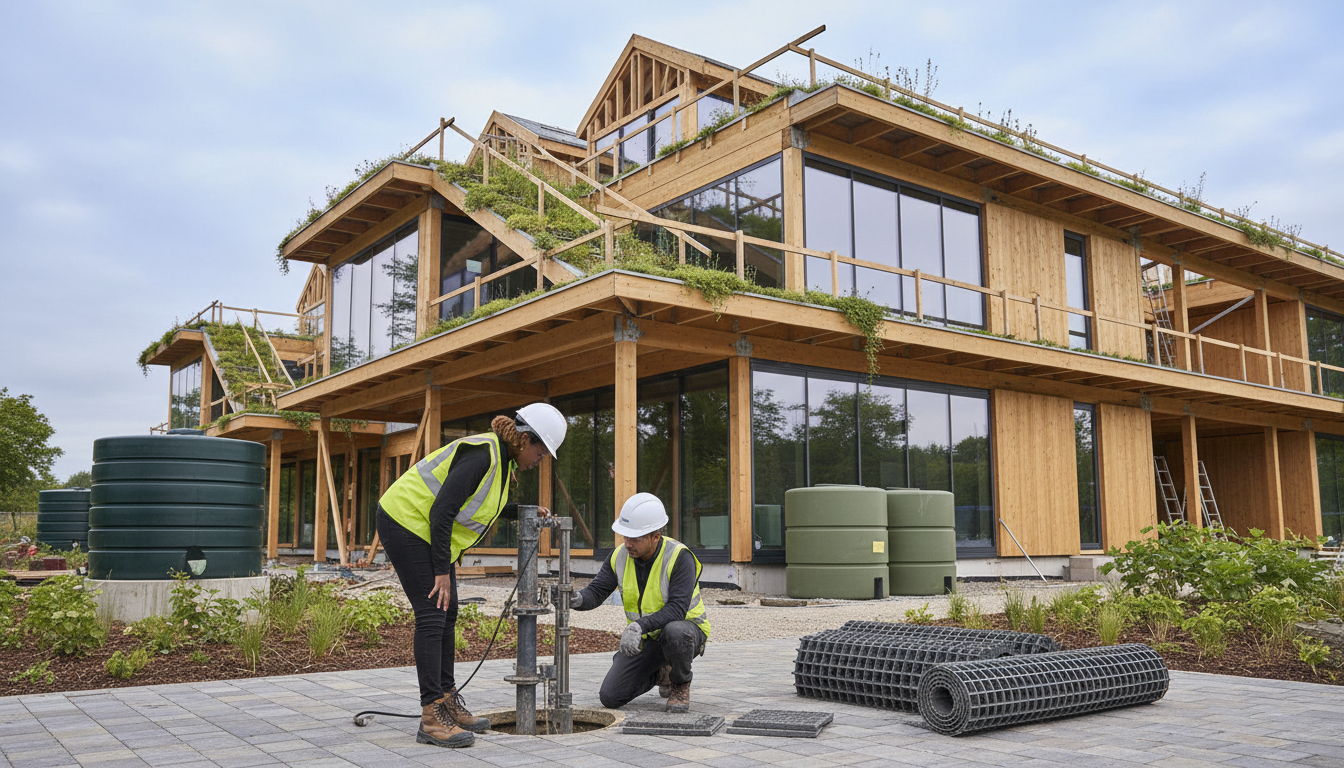
One of the most effective ways to reduce waste is by using recycled and reclaimed materials in construction. These materials often come from previously used products, which are repurposed to create new structures. Common examples include reclaimed wood, recycled steel, and even crushed concrete for foundations.
Using recycled materials not only decreases landfill waste but also often requires less energy to produce, resulting in a lower carbon footprint. Additionally, they can add unique aesthetic elements to the design of a building.
Natural Insulation Options
Insulation plays a crucial role in energy efficiency. Natural insulation materials like cellulose, wool, and cotton are excellent alternatives to traditional options. These materials are biodegradable and often sourced from renewable resources.
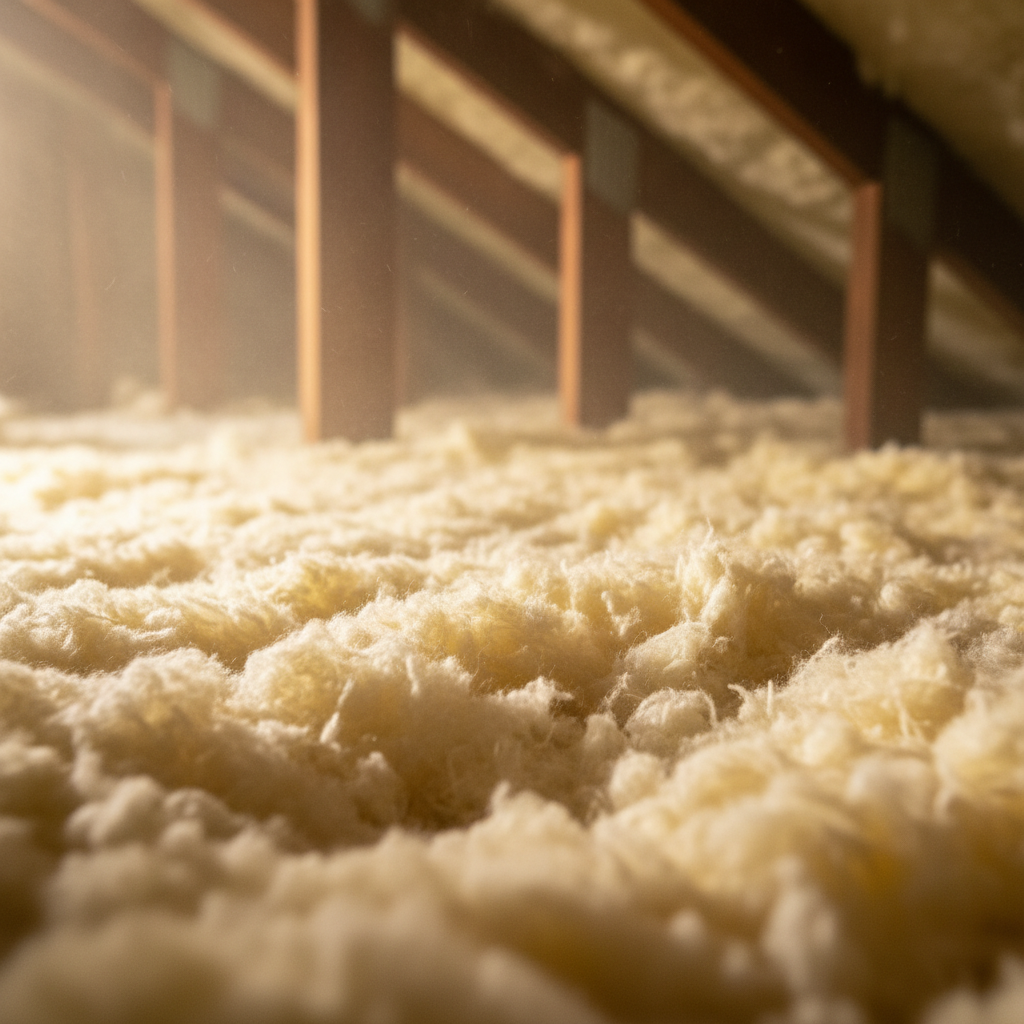
Cellulose insulation, for example, is made from recycled paper products and offers superior thermal performance. Wool insulation is naturally fire-resistant and moisture-regulating, making it a practical choice for Texas's varying climate.
Innovative Concrete Alternatives
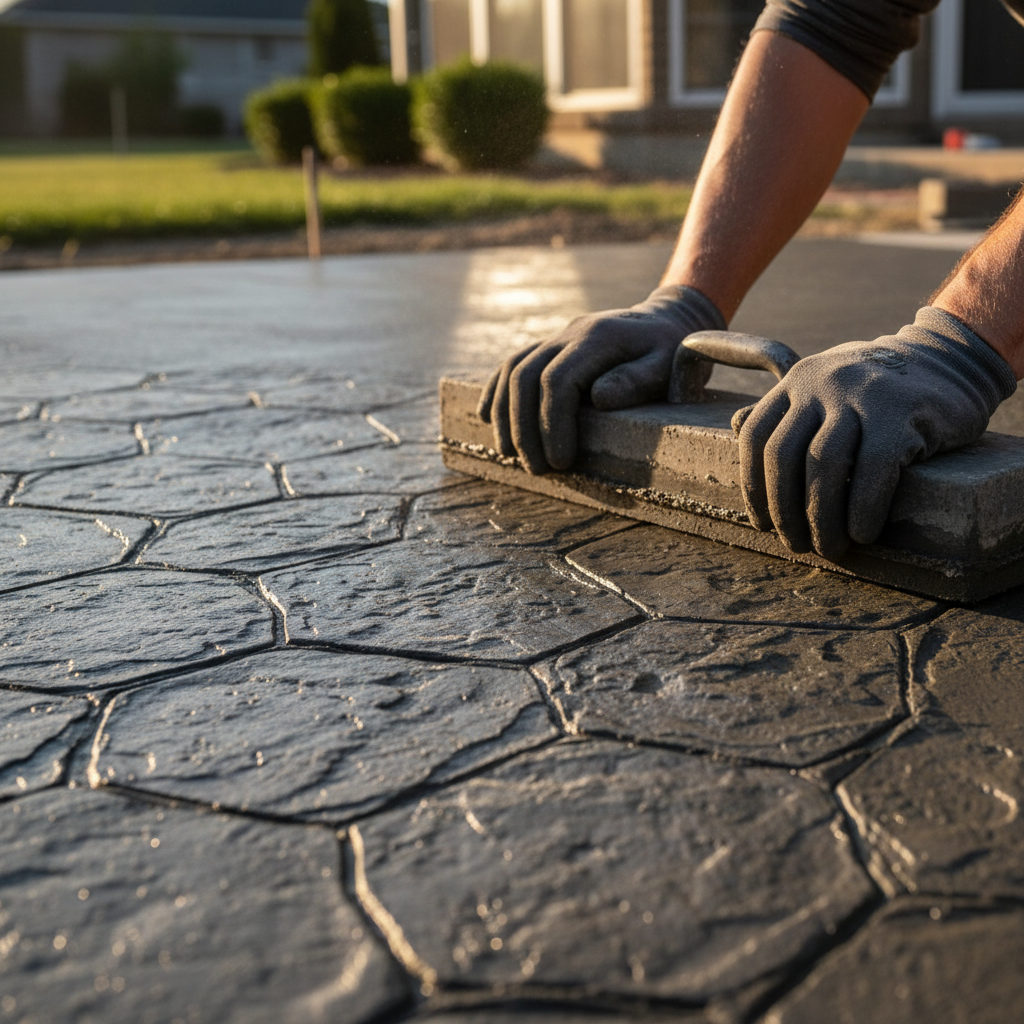
Concrete is a staple in construction, but its production is energy-intensive. Fortunately, alternatives like hempcrete and green concrete are gaining popularity. Hempcrete is a lightweight, insulating material made from hemp fibers mixed with lime, providing excellent thermal properties.
- Hempcrete: Offers thermal efficiency and sustainability.
- Green Concrete: Utilizes industrial waste like fly ash, reducing its environmental impact.
Sustainable Wood Products
While traditional wood harvesting can be detrimental to forests, sustainable wood products offer a viable solution. Certified wood, such as those from the Forest Stewardship Council (FSC), ensures responsible forest management and reduced environmental harm.
Engineered wood products, like cross-laminated timber (CLT), provide strength and versatility while utilizing smaller, sustainably harvested trees. These products contribute to a building's overall sustainability profile.
Solar Roofing Solutions
In Texas, harnessing solar energy is an effective way to create eco-friendly buildings. Solar roofing solutions, including photovoltaic panels and solar shingles, can significantly reduce reliance on non-renewable energy sources.
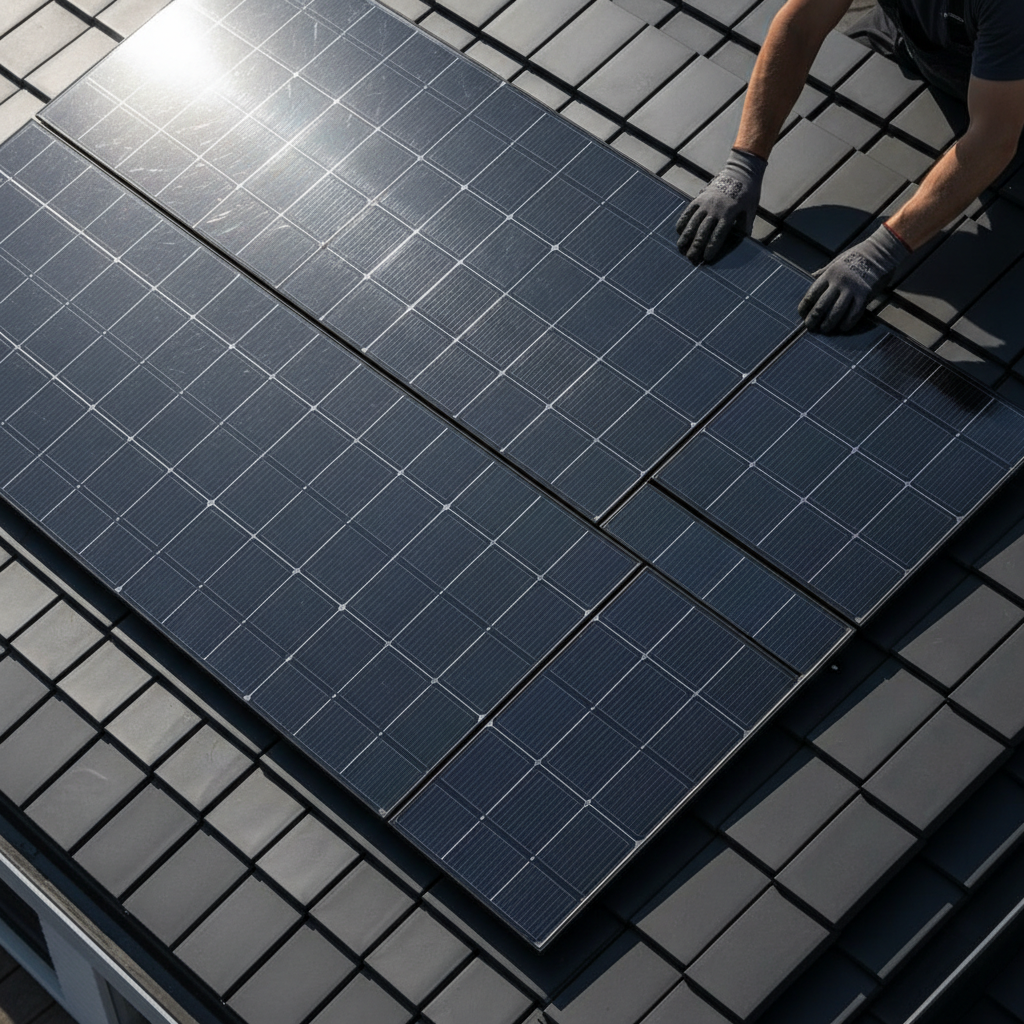
By integrating these technologies, new constructions can generate clean energy, lower electricity bills, and potentially qualify for tax incentives, making them a smart investment for homeowners and developers alike.
Conclusion
Adopting eco-friendly building materials in Texas not only supports environmental sustainability but also enhances the quality and efficiency of new constructions. By choosing recycled materials, natural insulation, innovative concrete alternatives, sustainable wood products, and solar roofing, builders can contribute to a healthier planet and a more sustainable future.
Embracing these eco-friendly options is a crucial step toward responsible construction practices, ensuring that Texas remains a leader in sustainable development.