
Common Misconceptions About Stucco Repairs and Maintenance


Understanding Stucco: A Brief Overview
Stucco is a popular building material known for its durability and aesthetic appeal. However, misconceptions about its repair and maintenance can lead to improper care, potentially affecting its longevity. This post aims to clear up some of the most common misunderstandings surrounding stucco.
Misconception 1: Stucco is Maintenance-Free
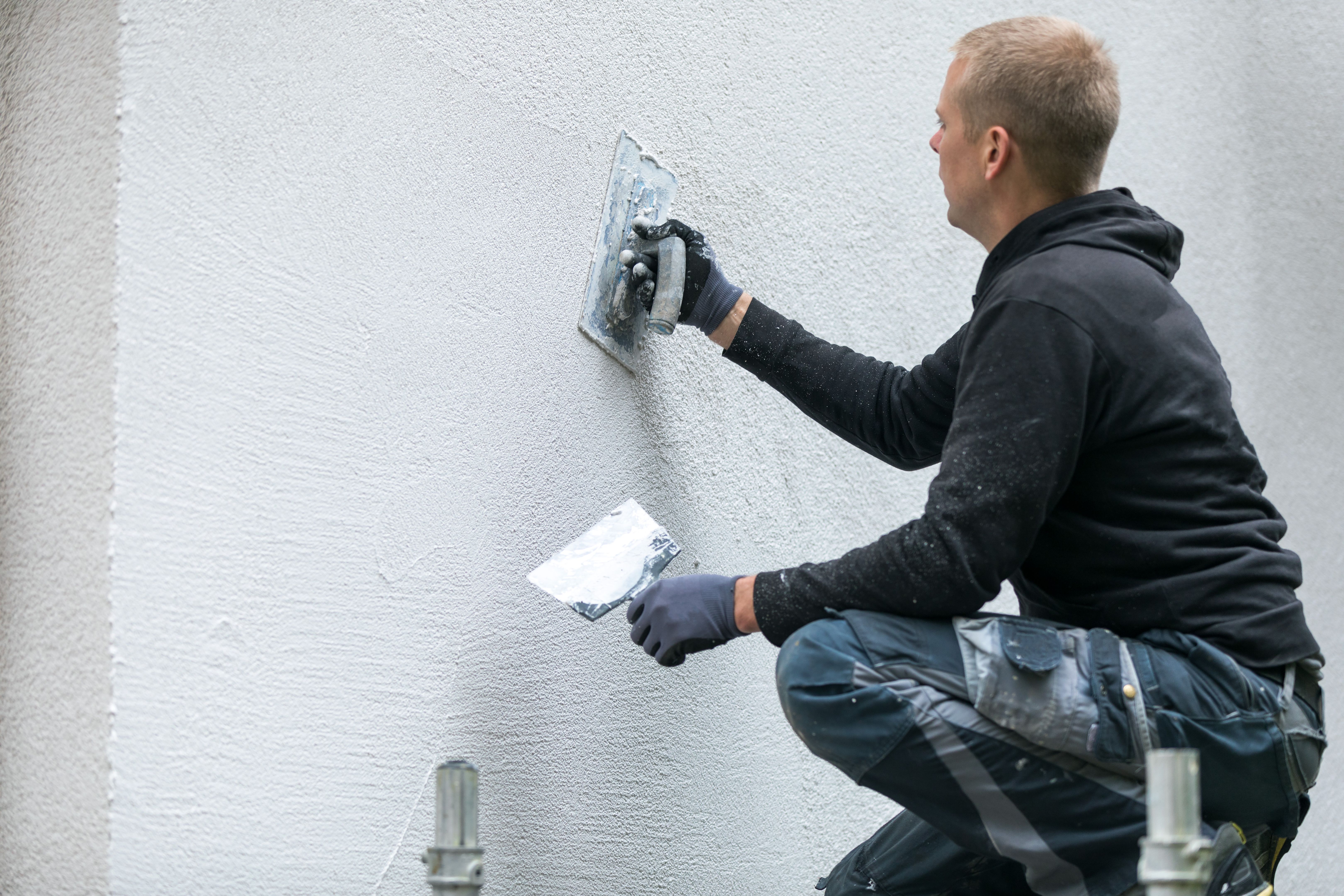
One of the most prevalent myths is that stucco requires no maintenance. While stucco is indeed low-maintenance, it is not maintenance-free. Regular inspections are crucial to identify and address potential issues before they become major problems.
Homeowners should routinely check for cracks, water stains, or any signs of damage. Minor repairs can prevent more extensive and costly repairs in the future.
Misconception 2: Hairline Cracks are Not a Concern
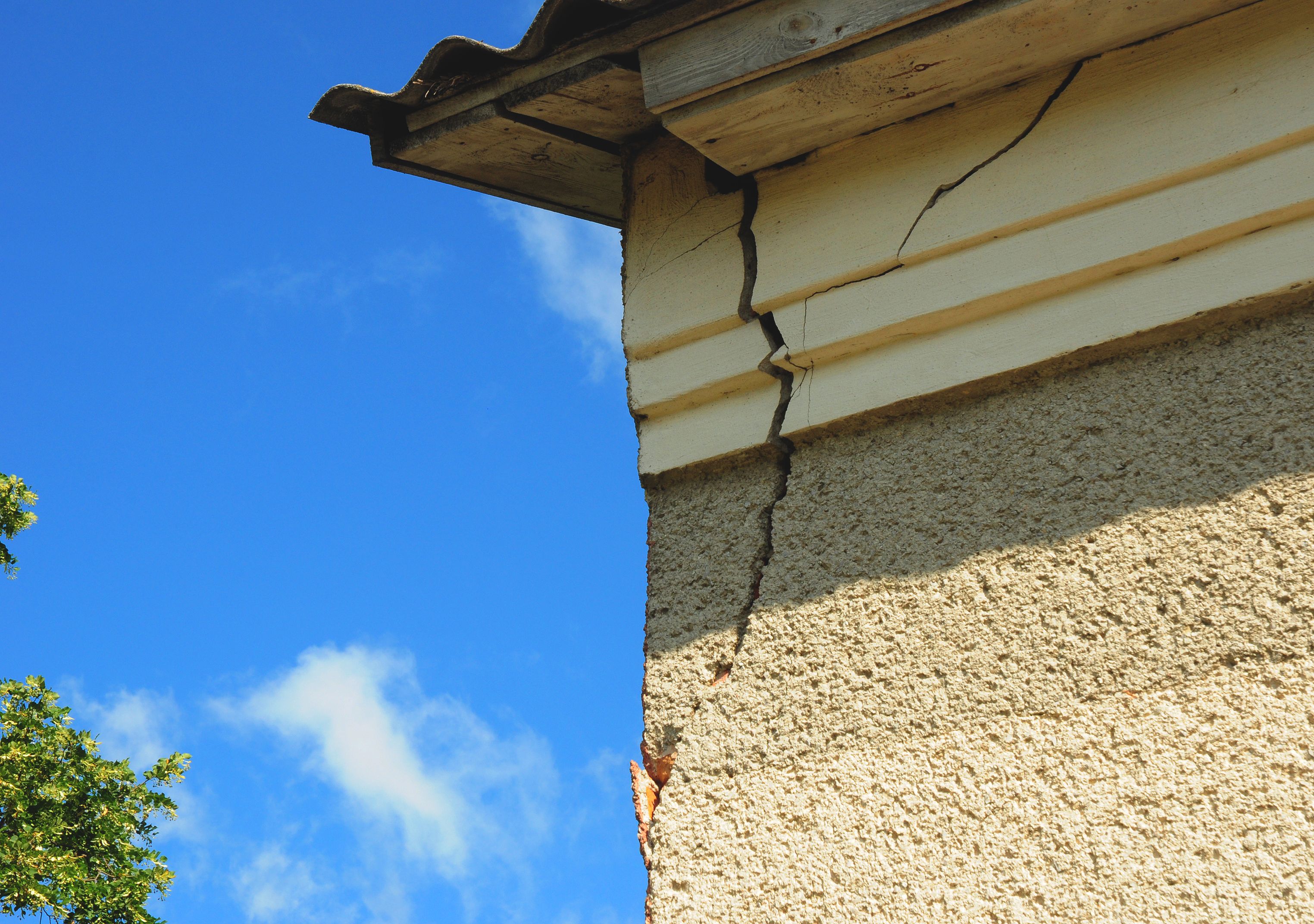
Another common misconception is that hairline cracks in stucco are harmless. While they may not seem significant initially, these small cracks can allow moisture to seep in, leading to more severe damage over time. It's essential to address even minor cracks promptly to maintain the integrity of the stucco.
Misconception 3: All Stucco Repairs are DIY-Friendly
Many homeowners believe that stucco repairs are simple DIY projects. While some minor repairs can be handled independently, significant repairs or extensive damage should be addressed by professionals. Improper repair techniques can exacerbate the issue and lead to more costly repairs.
Professional stucco contractors have the expertise to assess the damage accurately and apply the right solutions, ensuring long-lasting results.
Misconception 4: Painting Stucco is Always Beneficial
Painting stucco can revitalize its appearance, but it's not always necessary or beneficial. Paint can sometimes seal the surface too tightly, trapping moisture beneath and causing damage. Instead, consider using a breathable finish specifically designed for stucco surfaces.

Misconception 5: Stucco is Only Suitable for Dry Climates
While stucco is popular in dry climates, it is also suitable for various environments when properly installed and maintained. In wetter climates, additional measures like waterproof barriers can be implemented to protect the stucco from moisture-related damage.
Understanding the specific needs of stucco in different climates can help ensure its durability and performance.
Conclusion
By debunking these common misconceptions about stucco, homeowners can better appreciate the importance of proper maintenance and repair. Whether you’re dealing with minor cracks or considering a fresh coat of paint, informed decisions will help preserve the beauty and functionality of your stucco surfaces for years to come.