
Case Study: Successful Stucco Restoration in a Historic Dallas Building


Introduction to Stucco Restoration
Historic buildings hold a unique charm and cultural significance. Preserving these structures is crucial for maintaining our architectural heritage. One such success story is the recent stucco restoration of a historic building in Dallas, where meticulous planning and expert execution breathed new life into an iconic structure.
Understanding the Challenges
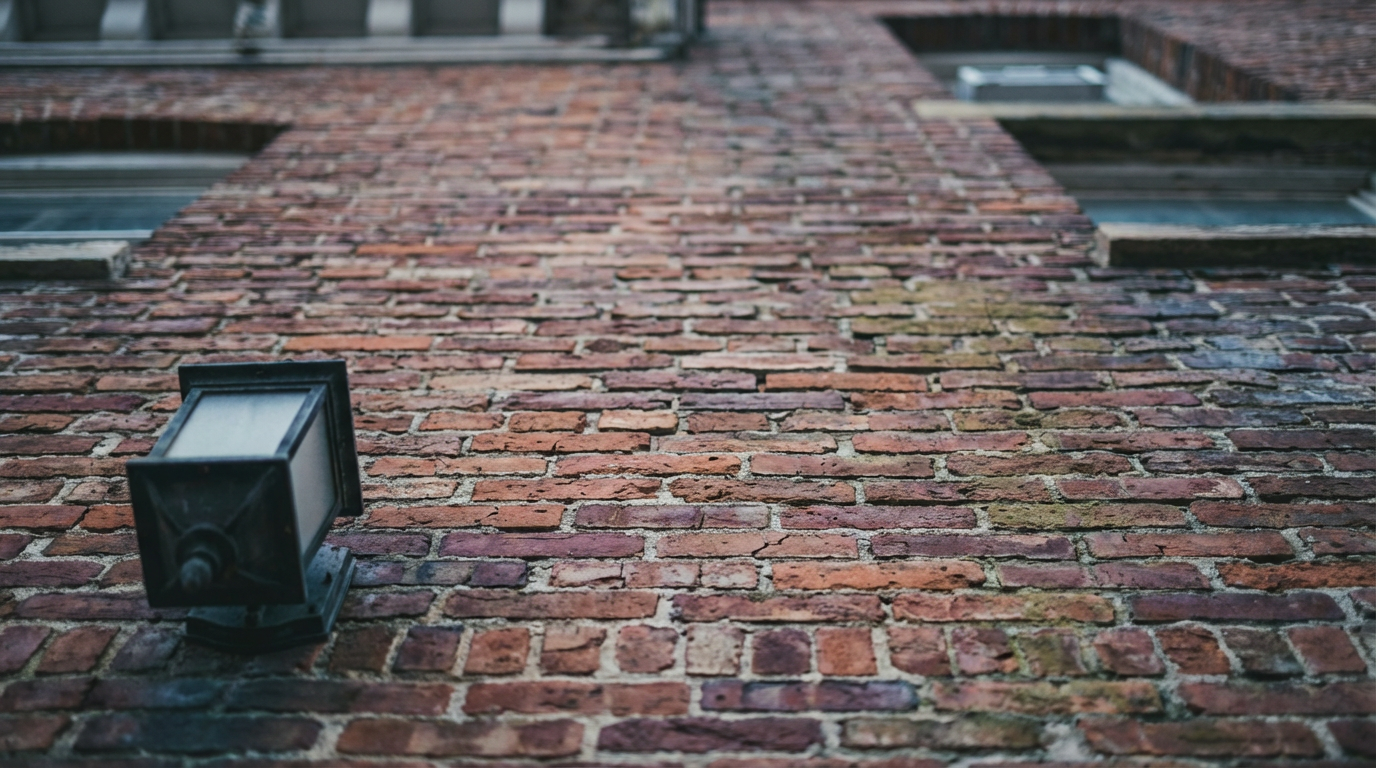
Restoring stucco on a historic building presents several challenges. Over time, environmental factors like weather, pollution, and natural wear can severely damage stucco surfaces. In this Dallas project, the primary challenges included:
- Extensive cracking and flaking
- Moisture damage leading to mold growth
- Color fading and surface erosion
Assessing the Damage
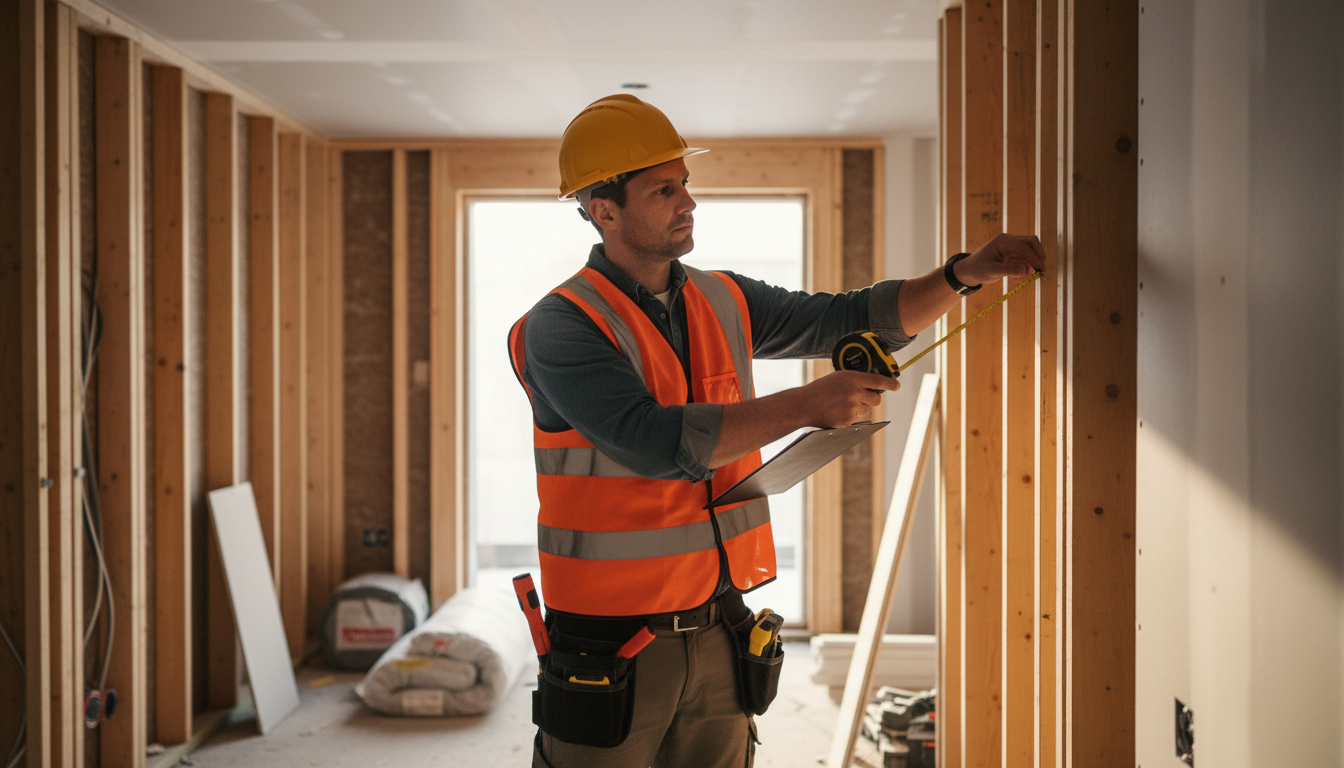
The first step in the restoration process was a thorough assessment. Experts conducted a detailed examination to determine the extent of the damage. This evaluation was crucial for creating an effective restoration plan tailored to the building's specific needs.
The Restoration Process
The restoration team employed a multi-step approach to ensure a comprehensive and lasting repair. Here’s a breakdown of the essential steps involved:
- Cleaning and Preparation: The surface was carefully cleaned to remove dirt and debris, providing a clean slate for restoration.
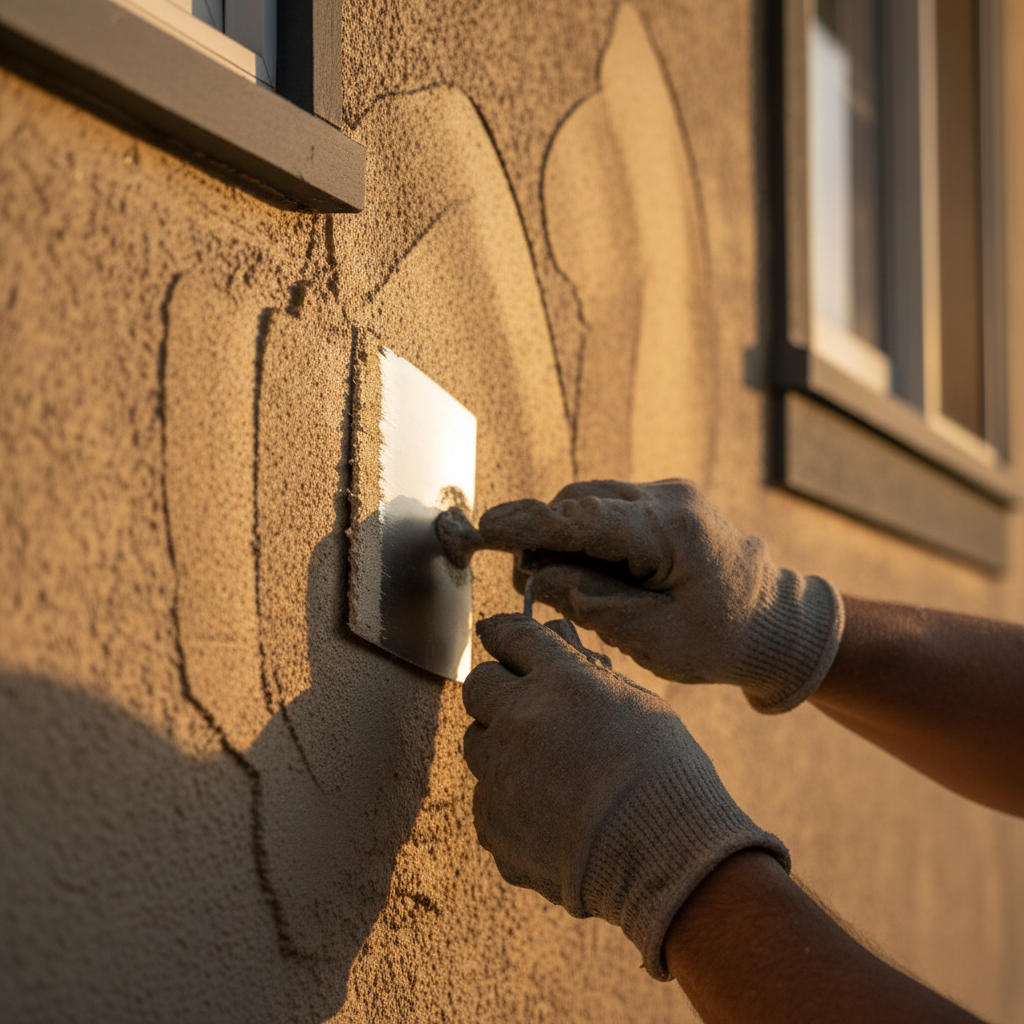
- Repairing Damages: Cracks and holes were filled using high-quality stucco materials, ensuring a seamless finish.
- Moisture Proofing: A protective layer was applied to prevent future water damage.
Ensuring Historical Accuracy
One of the key goals was to maintain the building's historical integrity. The team meticulously matched the original color and texture of the stucco to preserve the building’s authentic appearance. This attention to detail ensured that the restoration was both effective and respectful of the building’s past.
Outcomes and Benefits
The successful restoration not only enhanced the building's aesthetic appeal but also extended its lifespan. The improved exterior now offers better protection against environmental elements, reducing the need for frequent maintenance. Additionally, the project increased the property’s value, making it a centerpiece of the community once again.
Community Impact
Beyond the physical improvements, the restoration project had a positive impact on the local community. It revitalized interest in the area, attracting visitors and potential investors. The building now stands as a testament to the importance of preserving our cultural landmarks.
Conclusion
This case study highlights the importance of expert intervention in the restoration of historic buildings. Through careful planning and execution, the Dallas project successfully preserved a piece of history for future generations. As we continue to value and invest in our architectural heritage, we ensure that these historic treasures remain vibrant and relevant.